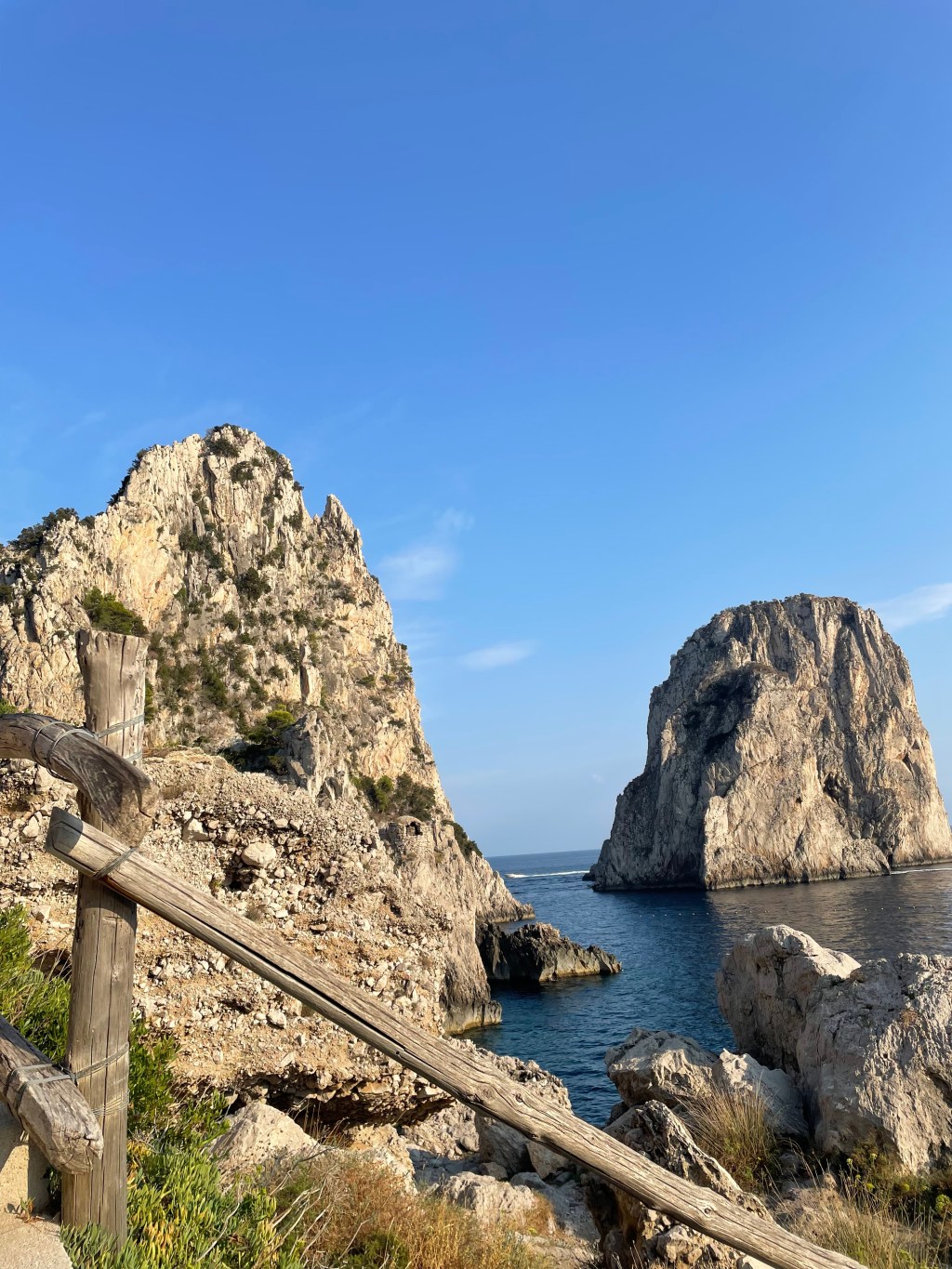
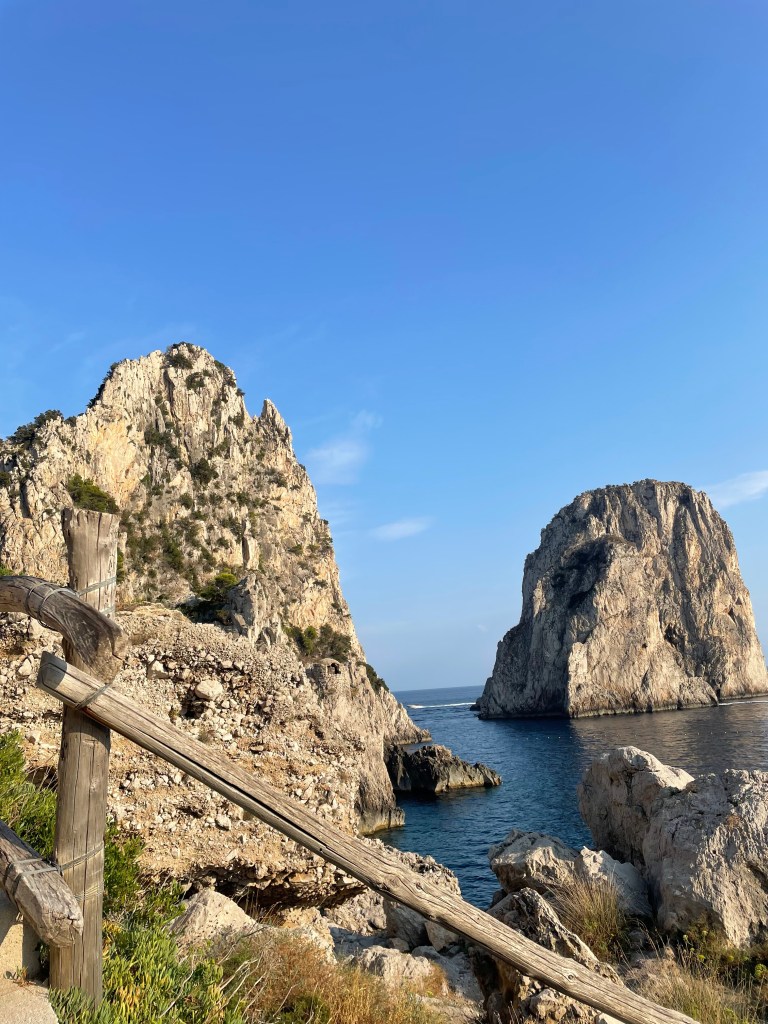
Capri is not simply a destination, it is a sensation. Floating in the Gulf of Naples, the island has long seduced travelers with its dramatic cliffs, crystalline waters, and effortless elegance. But beyond its postcard beauty lies something deeper: a place where time slows, where history lingers and where stories continue to echo. Walking through Capri feels like stepping into a suspended moment. The rhythm is slower, yet the atmosphere is alive. Luxury and simplicity coexist, creating a rare balance between refinement and freedom. It is no coincidence that Capri became a refuge for artists, aristocrats and dreamers seeking both beauty and escape.
More Than a Postcard: Capri’s Hidden History
Capri’s charm is not only visual, it is cultural. Its narrow streets, quiet churches and local traditions reveal a layered past shaped by centuries of influence. Every corner tells a story, from ancient Roman presence to modern tourism. The island’s identity is woven from its landscapes, its cuisine and the subtle myths that surround it. Among its most iconic landmarks, the Gardens of Augustus and Via Krupp stand out, not only for their beauty, but for the history behind them.
The Gardens of Augustus: A Balcony Over the Sea
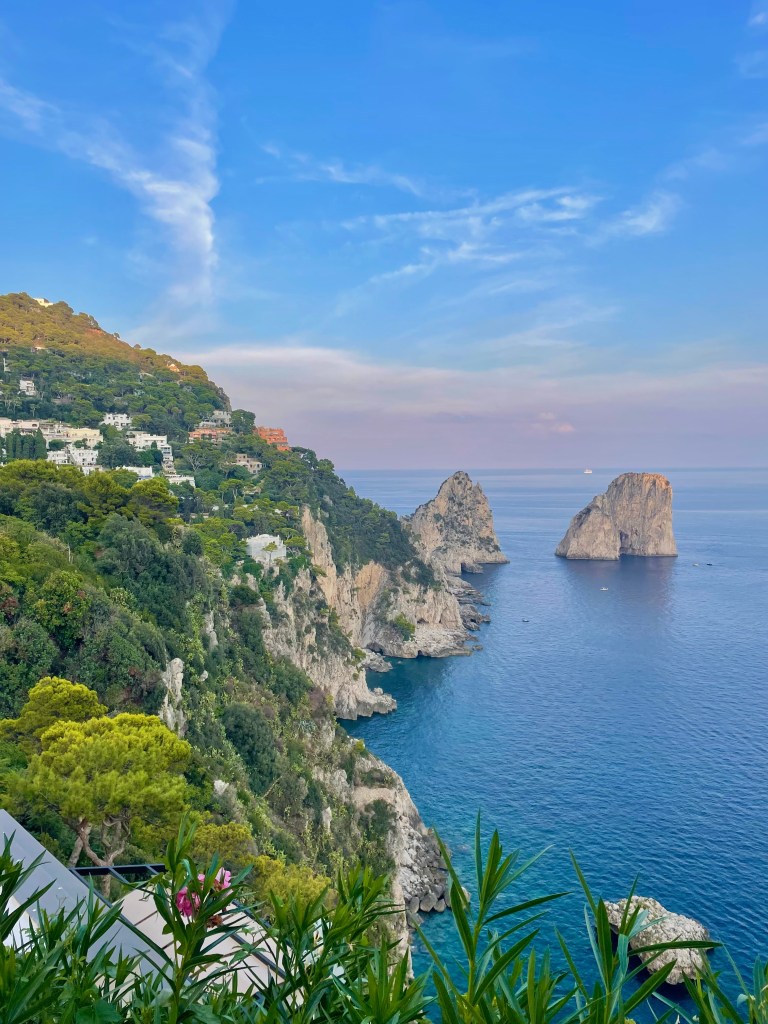
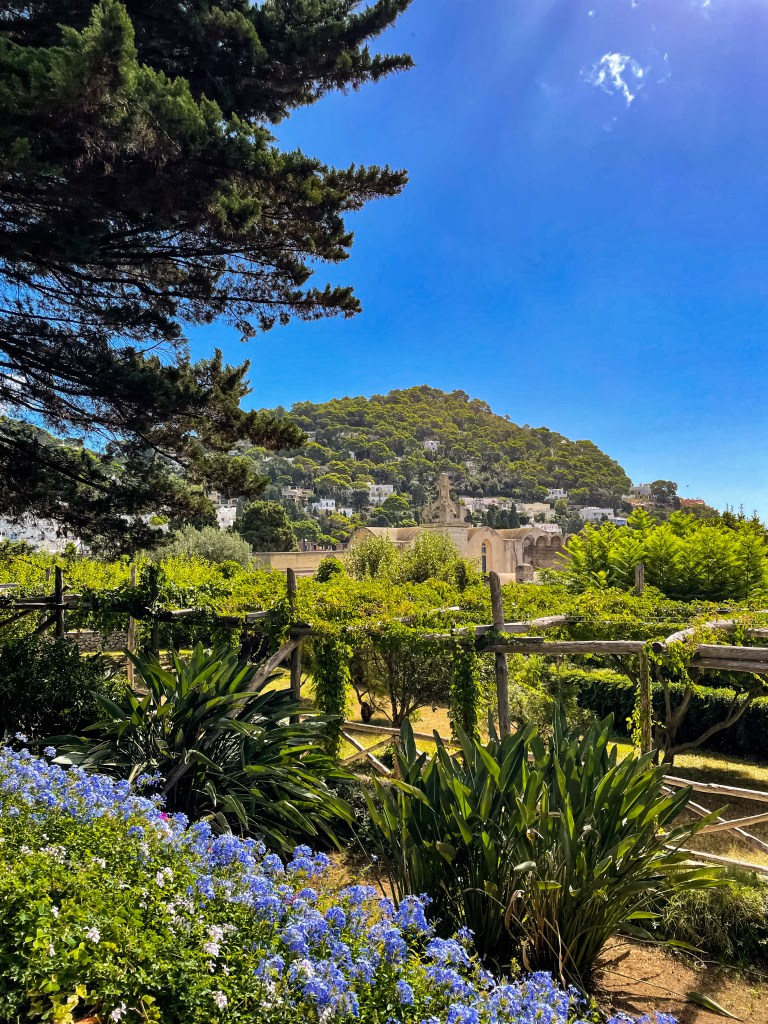
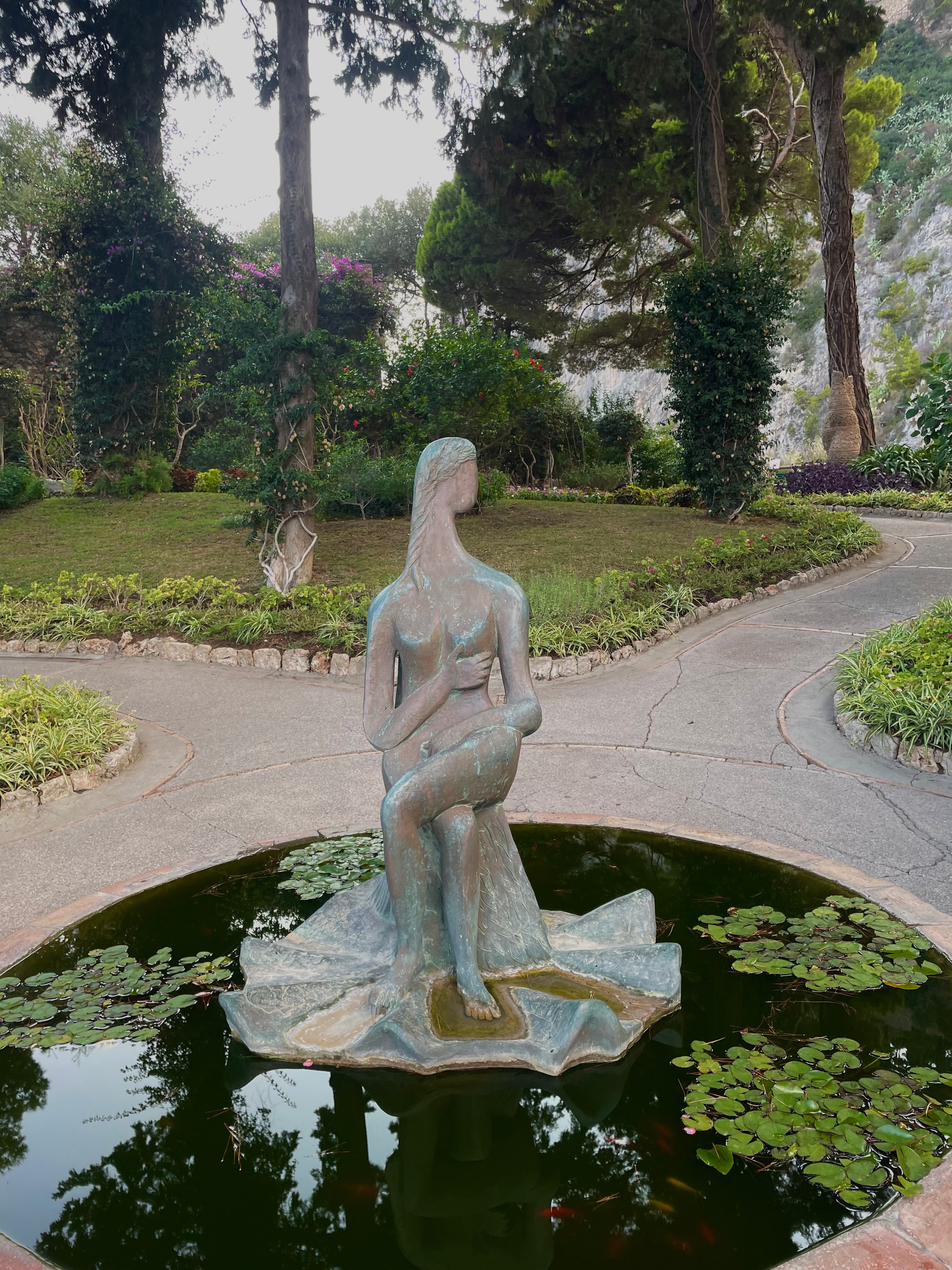
Perched above the coastline, the Gardens of Augustus offer one of the most breathtaking views in the Mediterranean. Terraces bloom with vibrant flowers, opening onto sweeping panoramas of the Faraglioni and Marina Piccola. The atmosphere is serene, almost suspended between nature and design. Yet behind this tranquility lies a story of ambition and vision. These gardens were created in the early 20th century by Friedrich Alfred Krupp, a man whose presence would leave a lasting and controversial mark on the island.
Via Krupp: Where Engineering Meets Desire
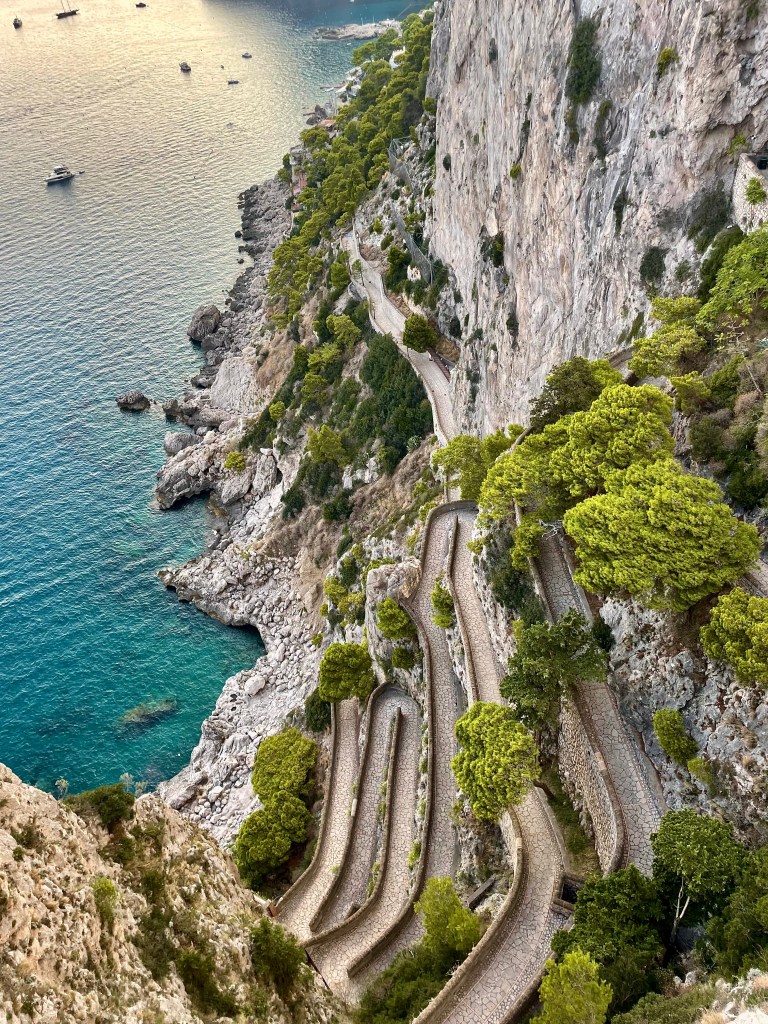
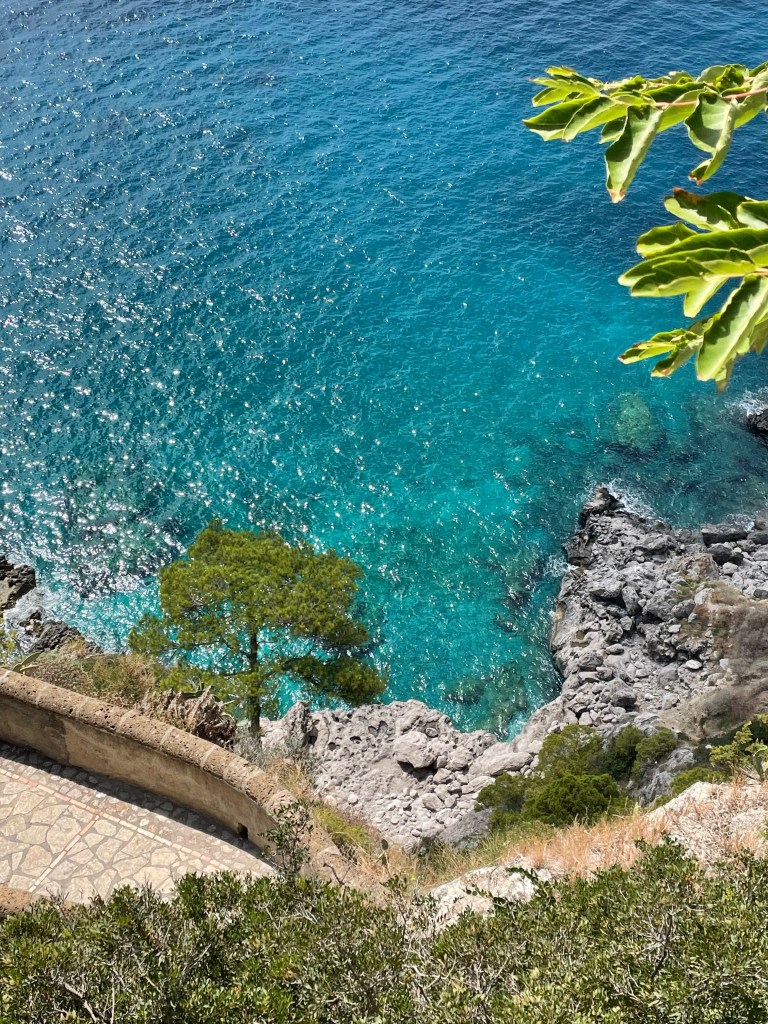
In 1902, Krupp commissioned an extraordinary project: a winding road carved into the rock, connecting the upper part of Capri to Marina Piccola. The result , Via Krupp, is a masterpiece of engineering, a series of dramatic switchbacks that follow the natural curves of the cliff. Walking down the path, the view unfolds continuously: turquiose water, rugged coastline and the iconic Faraglioni rising from the sea. But the road was more than an architectural feat. Before its construction, the area was already accessible through a rough path leading to a cave inhabited by a hermit, Fra’ Felice. Krupp later used this secluded space to host private gatherings events that would soon become the subject of whispers across the island.
The Scandal That Shook Capri
Krupp’s relationship with Capri was intense and ultimately destructuve. A wealthy German industrialist and passionate marine biologist, he transformed parts of the island while using it as a personal retreat. Yet Capri also became the setting of a scandal that would reverberate across Europe. Accusations emerged regarding his involvement in secret gatherings with local boys. These claims, amplified by the socialist press, culminated in the explosive article “Capri-Sodom”, published in La Propaganda in 1902. The scandal forced Krupp to leave the island abruptly. Shortly after, he died under uncertain circumstances, officially of a stroke, though many historians suspect suicide.
A Paradise With Shadows
Today, Capri remains a symbol of beauty, elegance and escape. Yet its past reminds us that even the most idyllic places are shaped by complex human stories. Beneath its luminous surface lies a history of ambition, freedom and controversy. A reminder that paradise is rarely as simple as it seems.
Capri is not just a place to visit. It is a place to feel, to question and to remember.

Leave a Comment