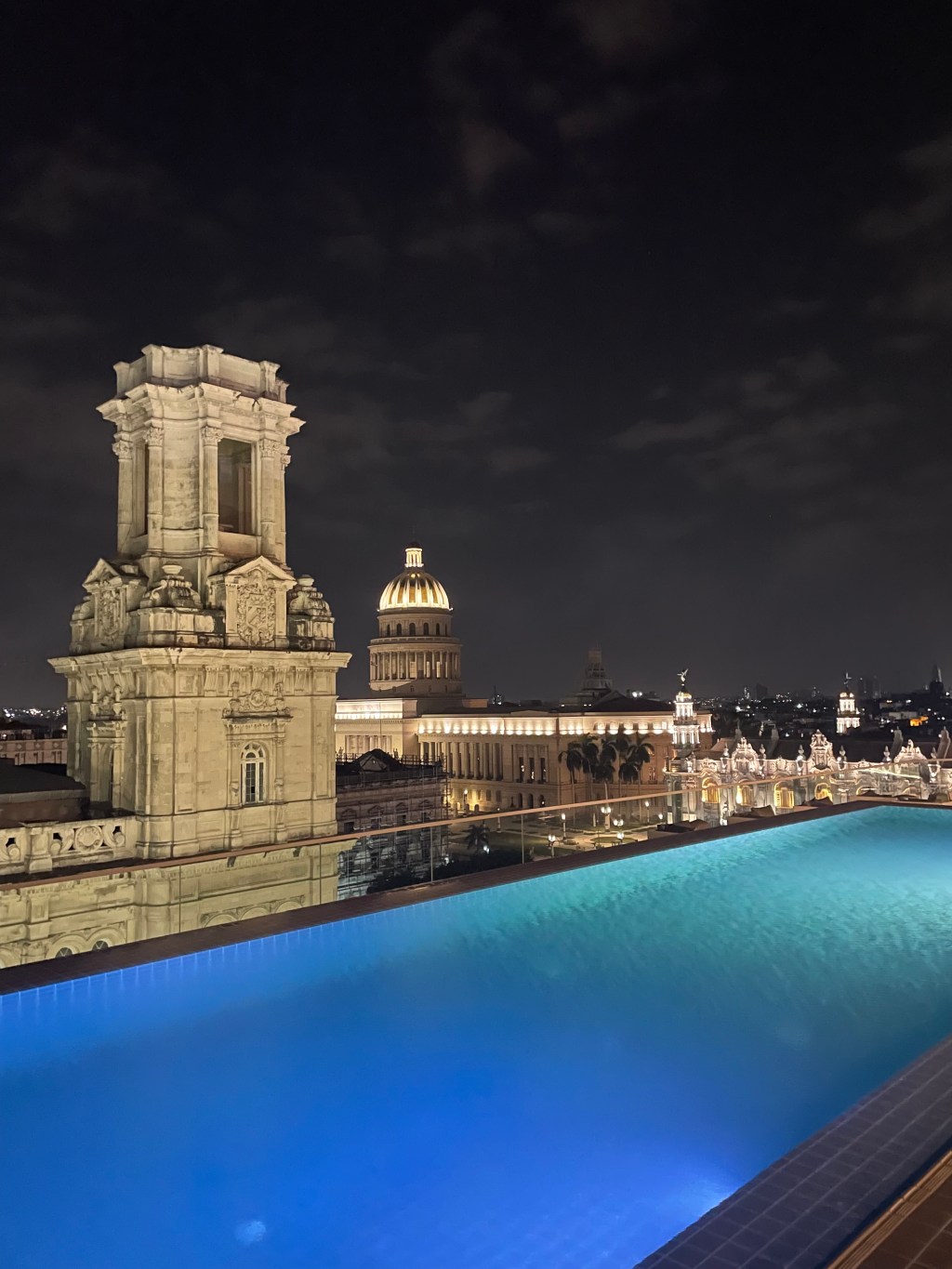
A walking itinerary through the colonial heart of Havana
There’s a moment, right after landing at José Martí International Airport, when you realize that Havana is not just any city.
It’s an open-air stage where colonial architecture defies time, where every crack tells a tale of revolution, and every note played on the street invites you to slow down.
In this walk through the heart of Habana Vieja, we’ll explore five squares that represent the vibrant soul of the old city — a journey between colonial past and a present pulsing with music and poetry.
1. Plaza del Cristo
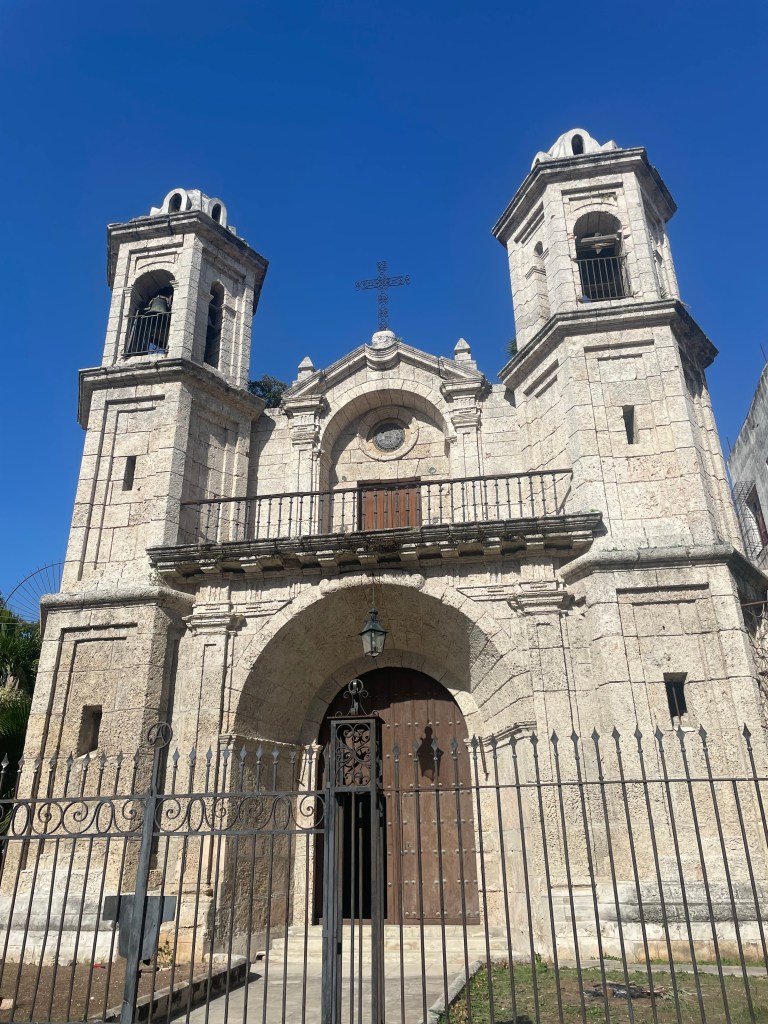
The first stop on our itinerary, Plaza del Cristo is a quiet, authentic square tucked away from the main tourist circuits.
Here stands the Iglesia del Santo Cristo del Buen Viaje, built in 1643 and dedicated to Christ of the Good Voyage, protector of sailors and travelers.
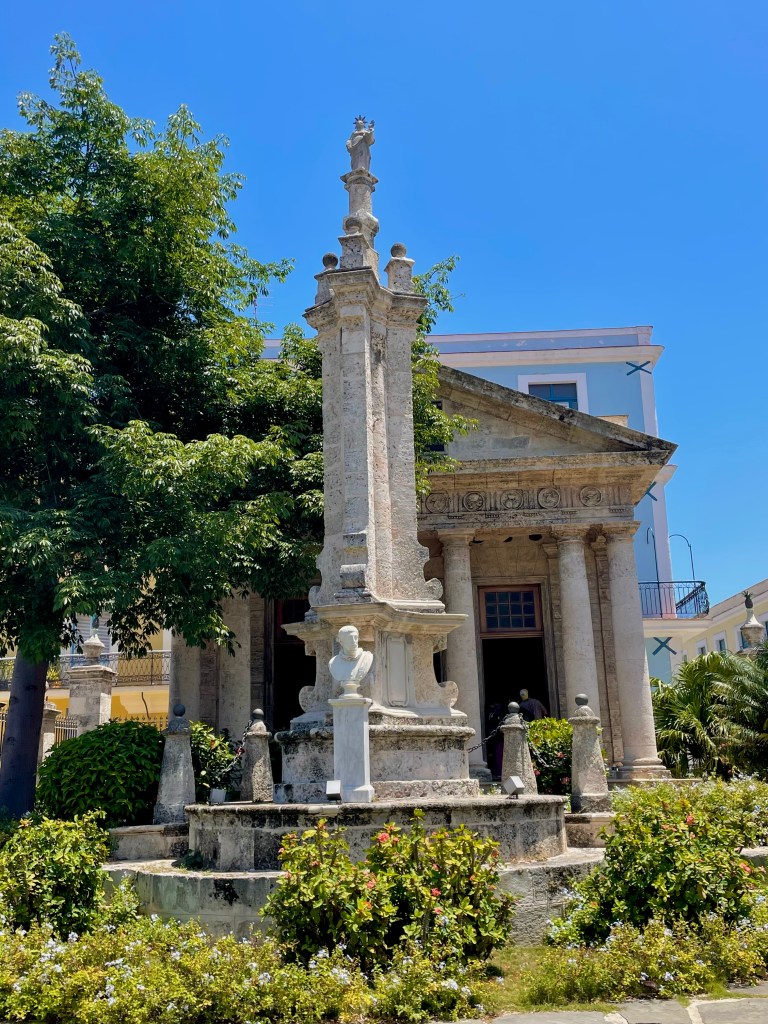
At the center of the square, you’ll find a monument to Plácido, a poet executed in 1844 and honored as a martyr of Cuban independence.
Don’t miss:
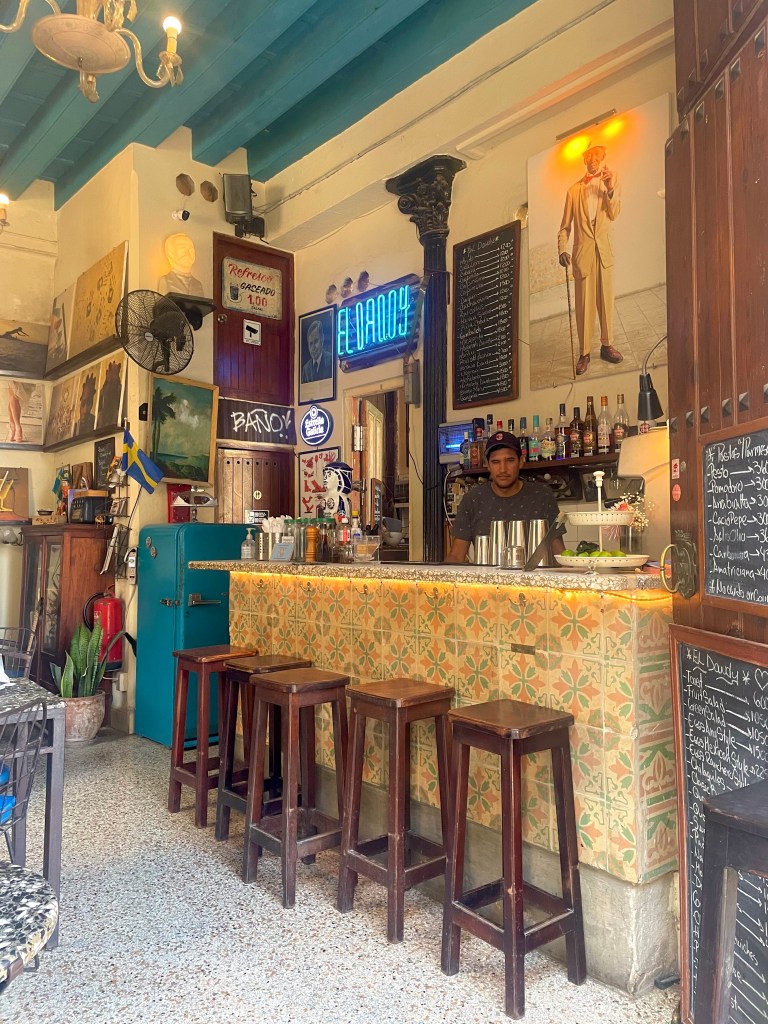
- Café El Dandy, an iconic, slightly bohemian café — perfect for a relaxing break. Tip: Try the “Café Dandy” cocktail and enjoy live Cuban music at sunset.
2. Plaza Vieja
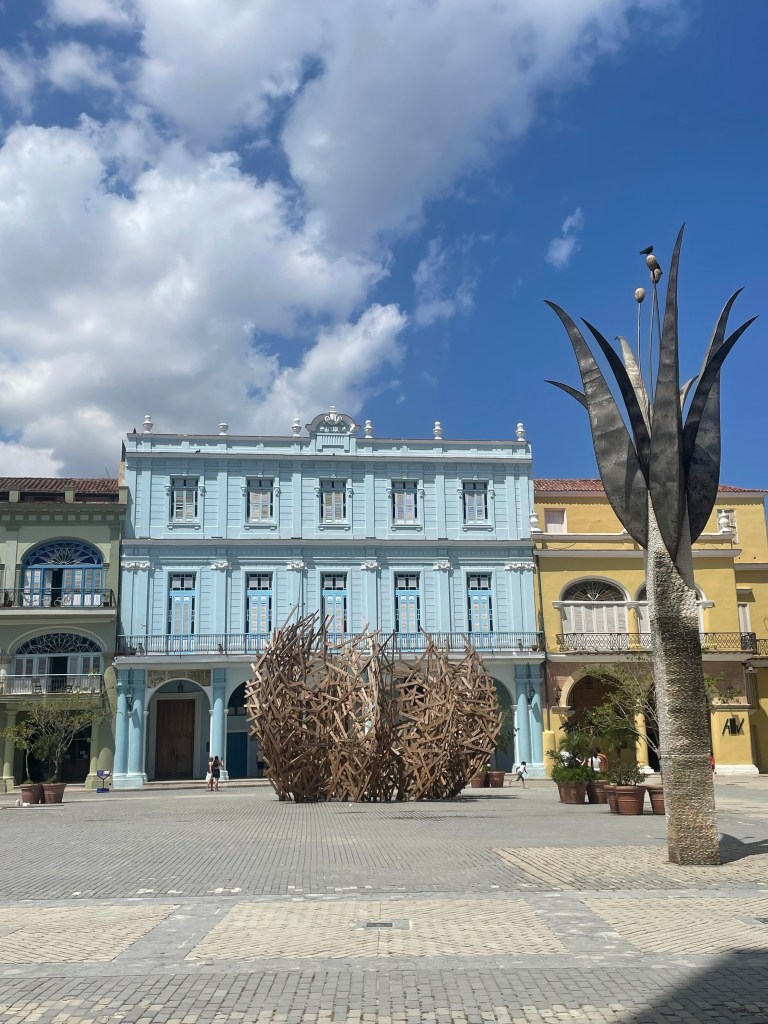
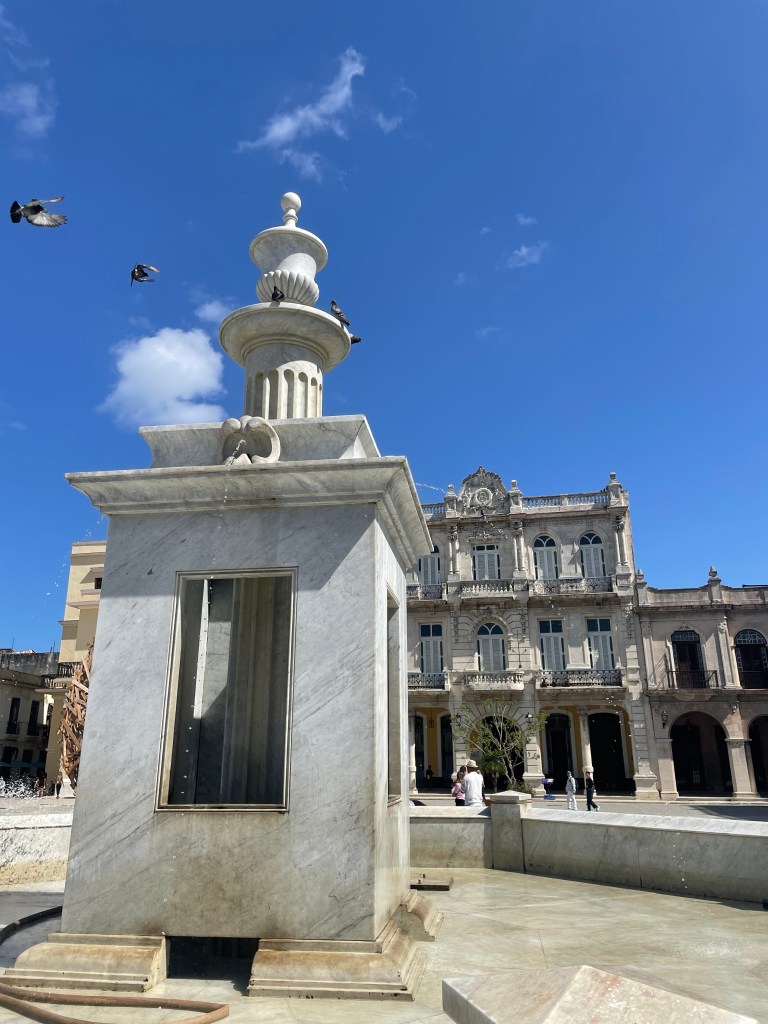
Heading east via Calle Muralla, Calle Mercaderes, or Teniente Rey, you’ll reach Plaza Vieja — one of Havana’s most photogenic squares.
Originally used for military drills and later transformed into an open-air market, the plaza is now a stunning blend of baroque and art deco architecture, urban art, and everyday Cuban life.
Highlights:
- Palacio Cueto, with its ornate Art Nouveau façade and ties to Havana’s entrepreneurial class
- Palacio de los Condes de Jaruco, an 18th-century aristocratic mansion
- The central fountain, symbolic of the square and beautifully restored
- Rooftop terraces of cafés and galleries offering spectacular views — highly recommended!
3. Plaza de San Francisco de Asís
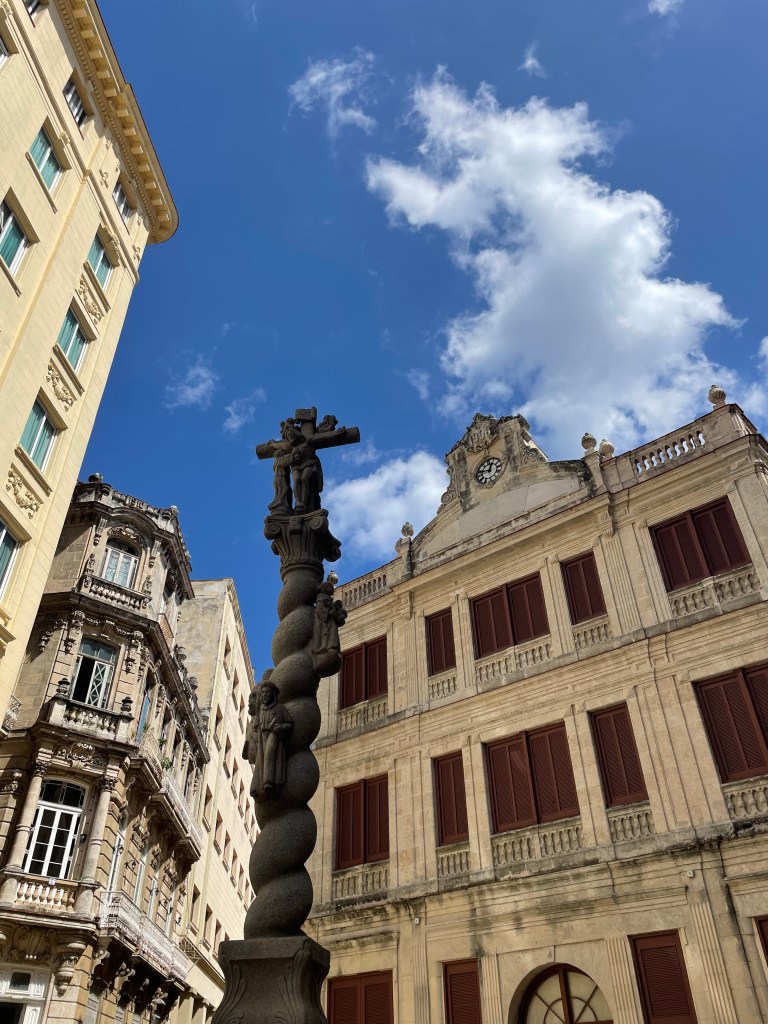
Just a short walk from Plaza Vieja lies Plaza de San Francisco de Asís, one of the most elegant and peaceful squares in Habana Vieja.
Once a key commercial port hub during colonial times, this square is now a refined and spiritual space, dominated by its majestic Franciscan basilica.
Things to see:
- Basilica Menor de San Francisco de Asís and its bell tower (which you can climb)
- Fuente de los Leones, a marble fountain carved in Italy in 1836
- Lonja del Comercio, the city’s former stock exchange, now converted into offices
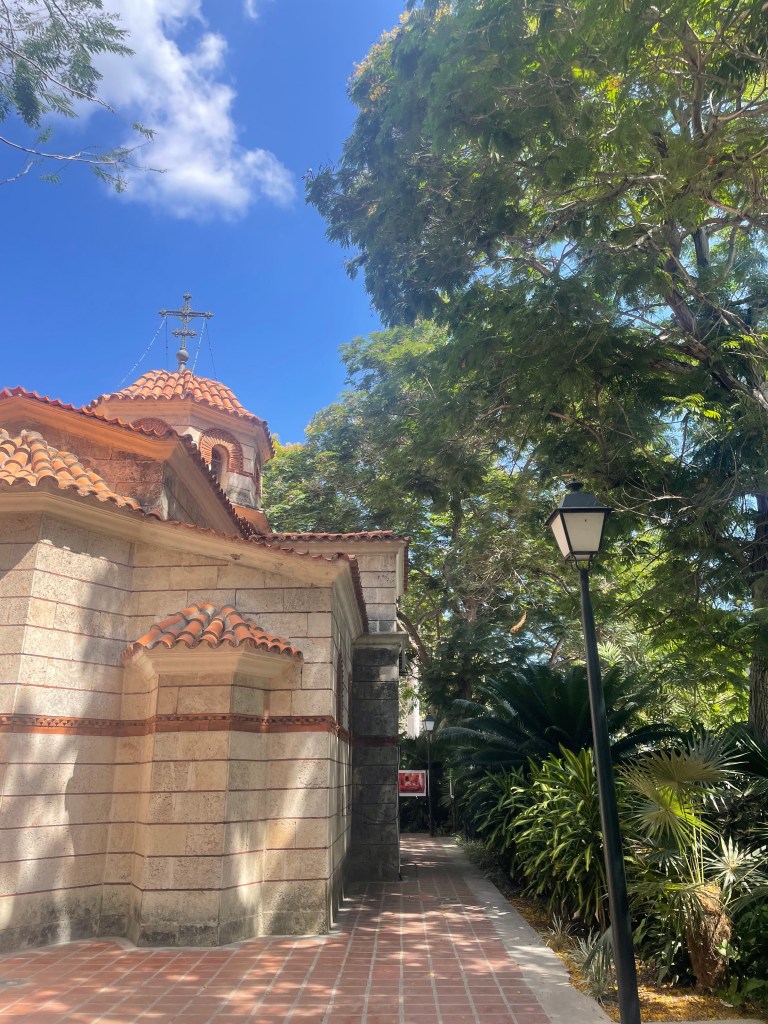
- The hidden Mother Teresa of Calcutta Garden, tucked behind the basilica.
4. Plaza de la Catedral
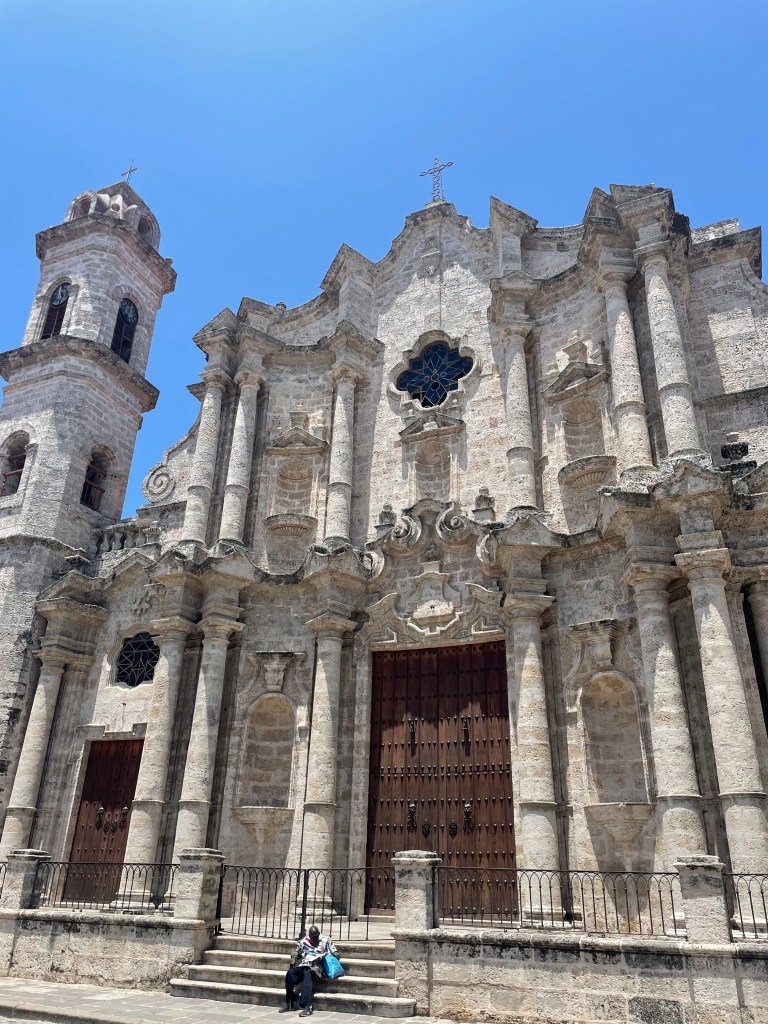
Perhaps Havana’s most iconic square, Plaza de la Catedral is a baroque masterpiece and a must-see in the old town.
It once served as a meeting place for Cuba’s aristocracy and elite families.
Its centerpiece is the breathtaking Catedral de San Cristóbal de La Habana, built from fossilized coral rock, with two uneven bell towers.
Around the square:
- Palacio del Conde Lombillo, featuring the bronze statue of the famous “Caballero de París”
- Museo de Arte Colonial, with 18th-century Cuban furniture and art
- Palacio de los Marqueses de Aguas Claras, now housing a fine restaurant
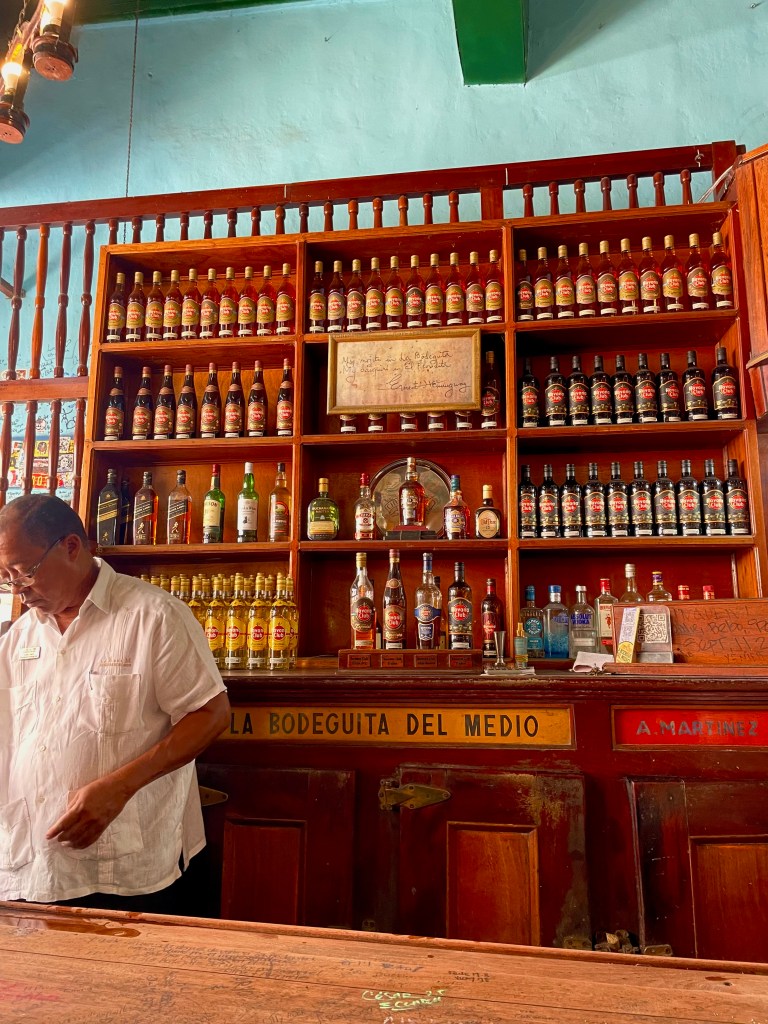
- Just around the corner: the legendary Bodeguita del Medio, famous for its mojitos and graffiti-covered walls.
5. Plaza de Armas
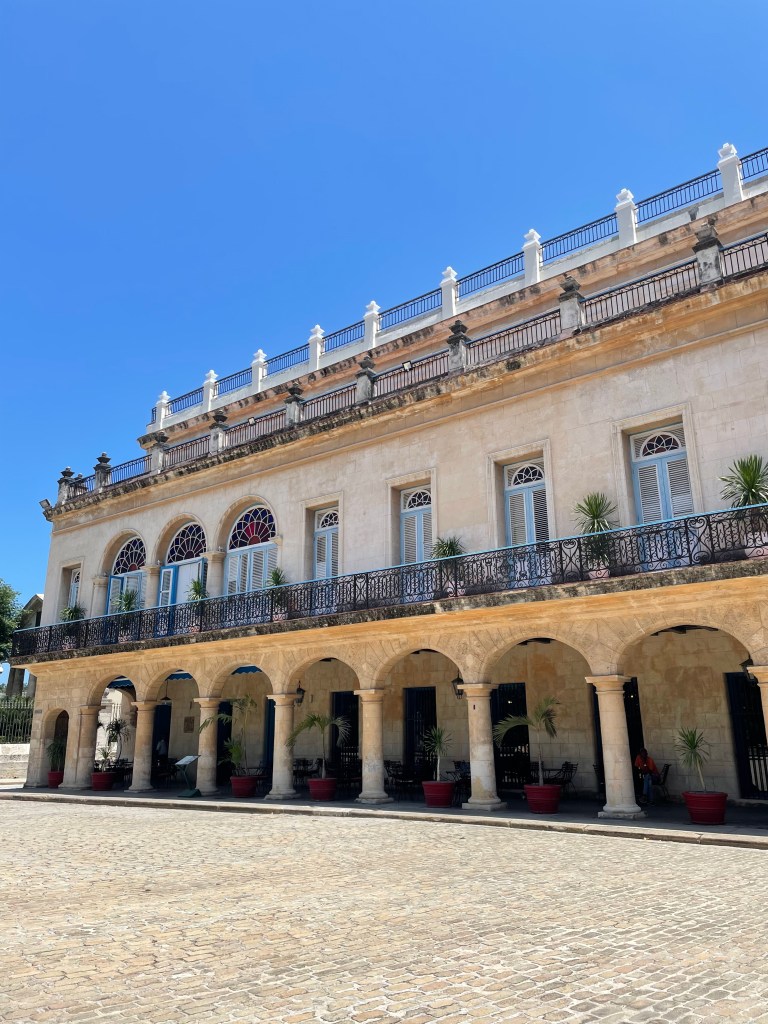
We end our journey at Plaza de Armas, the oldest square in Havana and the historic core of San Cristóbal de La Habana.
Shaded by royal palms and ceiba trees, the square features cast-iron benches and a serene vibe — perfect for sitting back and soaking in the history.
Don’t miss:
- Castillo de la Real Fuerza, a 16th-century fortress now home to a maritime museum
- Palacio de los Capitanes Generales, now the Museum of the City of Havana
- The small but charming Parque Céspedes
- The vintage bookstalls offering old Cuban prints, maps, and vinyl records
Bonus: Calle Obispo
Between Plaza de la Catedral and Plaza de Armas, take a stroll down Calle Obispo, one of the most vibrant and historic pedestrian streets in Havana.
Here, bookstores, street musicians, local shops, and artisan studios all converge.
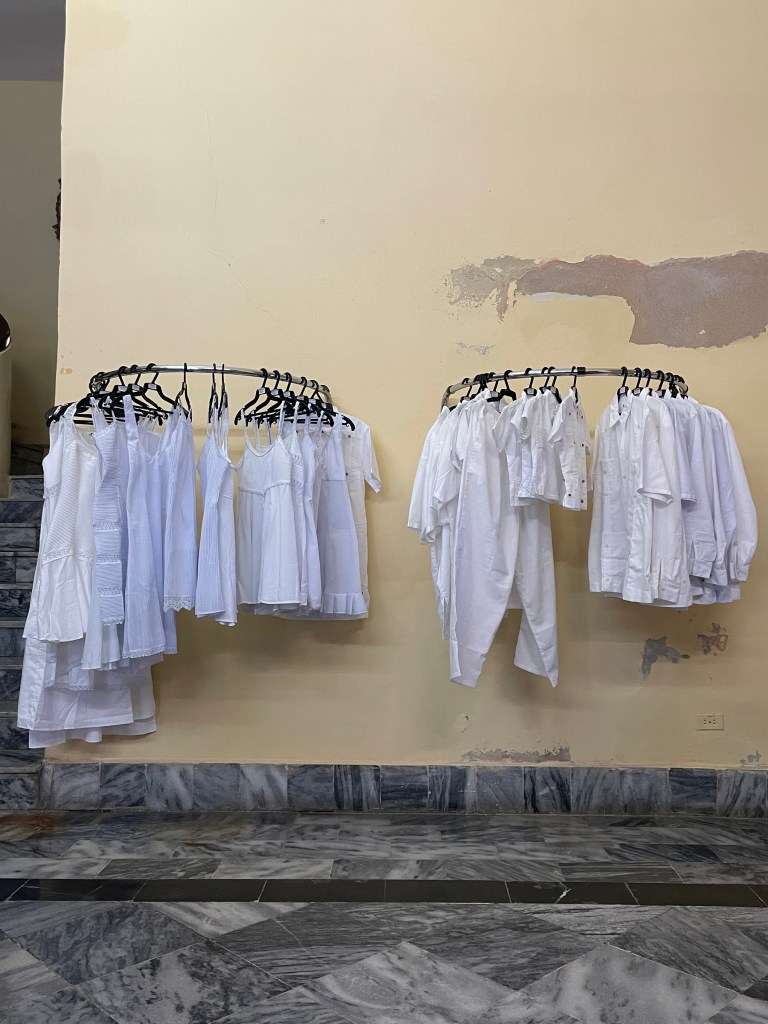
Make a stop at El Quitrín, a boutique launched in the 1980s to support Cuban women artisans.
Five squares, five souls of Havana. Each one reveals a different face of Cuba — spiritual, revolutionary, aristocratic, bohemian, or literary.
Walking through these streets is like flipping through a living novel, where each chapter opens to the rhythm of salsa and closes with the scent of tobacco and history.

Leave a Comment