Visiting London in two days might seem like a challenge. Yet, with a pair of comfortable shoes and a strong desire to explore, it’s possibile to dive into the city’s most authentic soul. Between landmarks, parks, and markets, this trip tells the story of a city that surprises at every corner.
Travel Diary:
Day 1
The first day in the English capital begins in the vibrant heart of the city, where every intersection has already served as a backdrop to some movie scene.
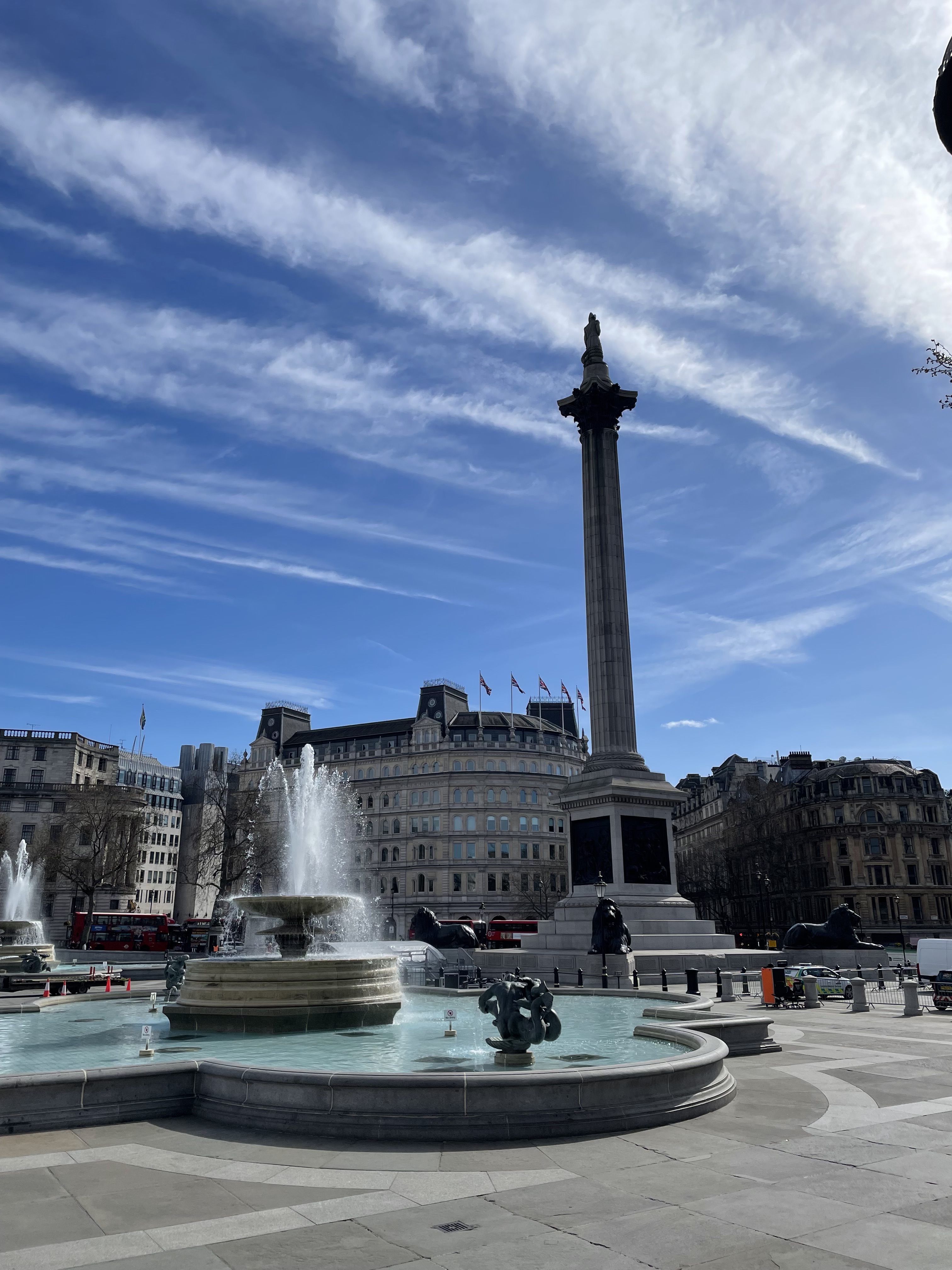
1. The first stop is Trafalgar Square, which welcomes us with the grandeur of the National Gallery and Nelson’s Column. This square, dedicated to the memory of the Battle of Trafalgar, is well-known as a social gathering place and often serves as the center for political demonstrations and artistic celebrations.
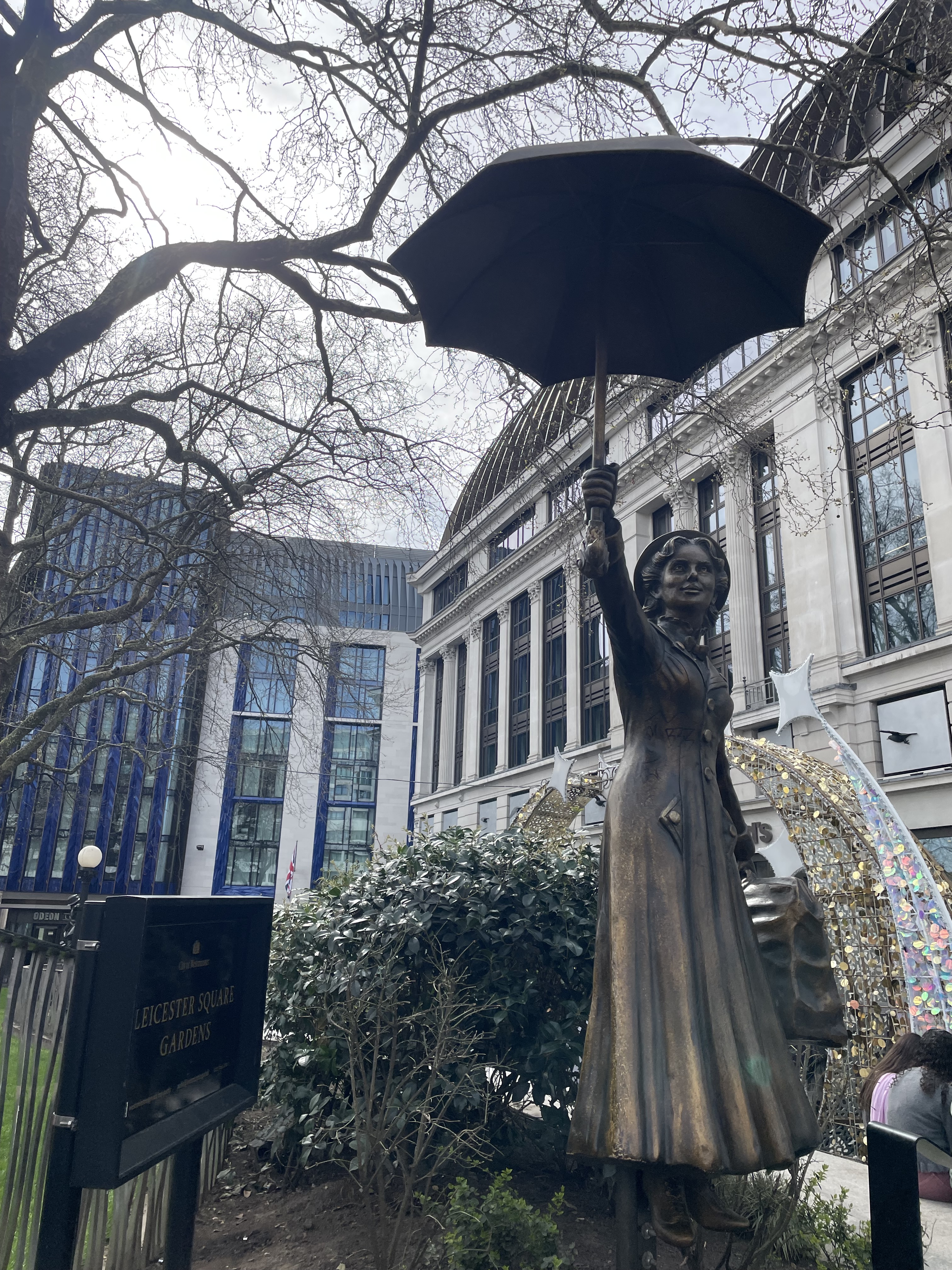
2. Just around the corner is Leicester Square: the kingdom of cinema, musicals and street performers. In this square, creative and touristy London merge without clashing.
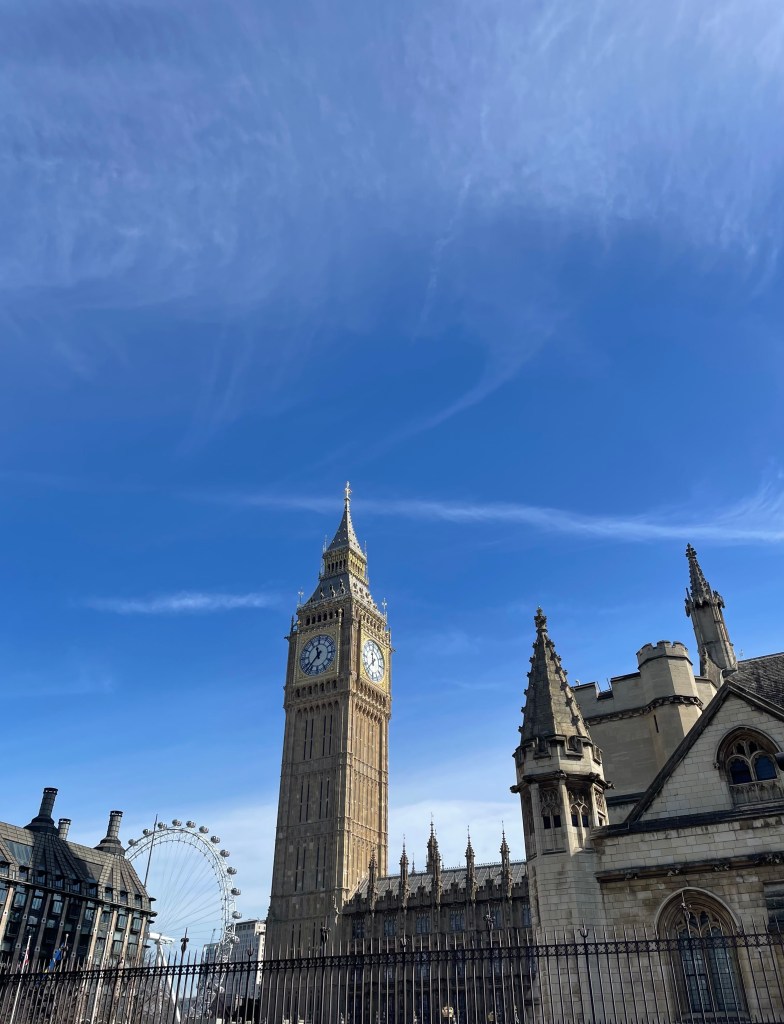
3. The walk continues toward Westminster, where the imposing and majestic Big Ben marks time with its iconic chime.
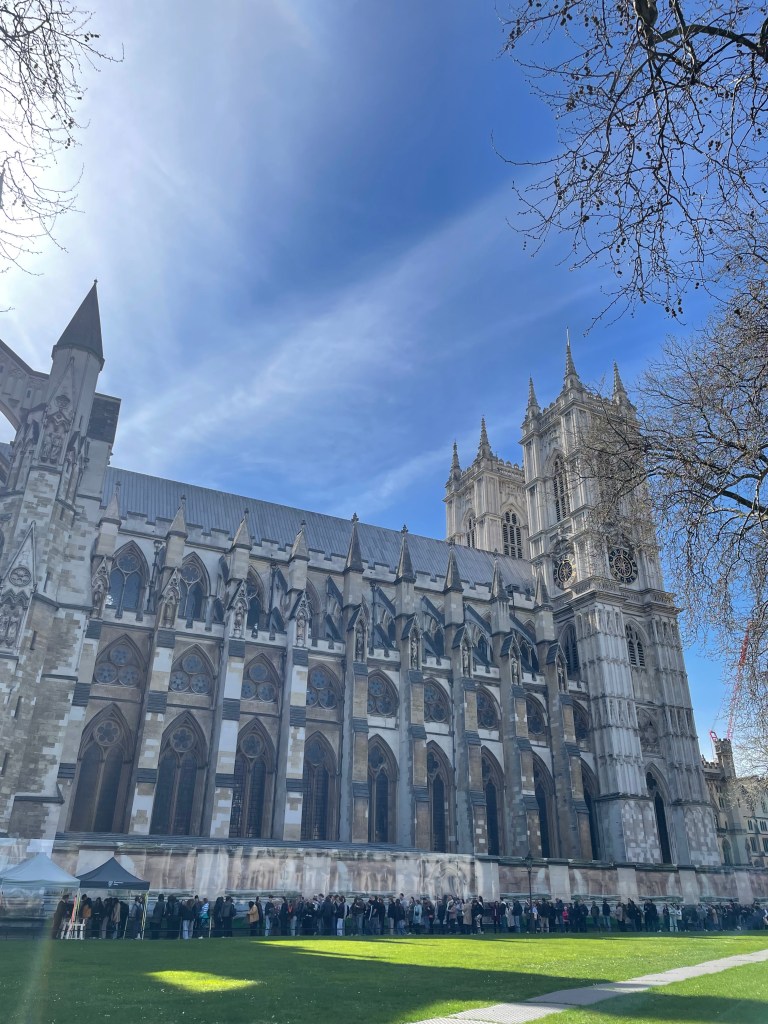
4. Next to it stands Westminster Abbey, appearing monumental, its facade with spires and Gothic details looking more sculpted by time than by human hands. Here, kings and queens have been crowned, royal weddings held, and great poets and scientists commemorated. This abbey is not just a symbol-it is the memory of the United Kingdom.
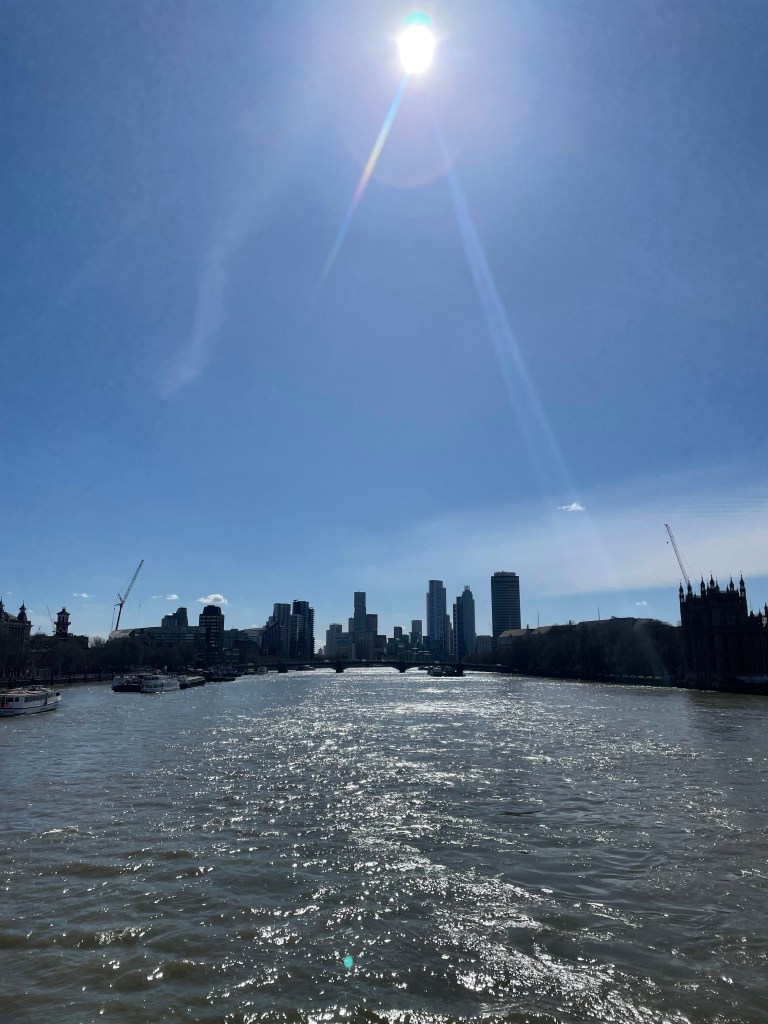
5. Crossing the Westminster Bridge offers the perfect postcard: on one side, Big Ben and the Parliament; on the other, the London Eye, an elegant structure reflected in the Thames. This bridge is not only a passageway, but also a meeting point between institutional and modern London.
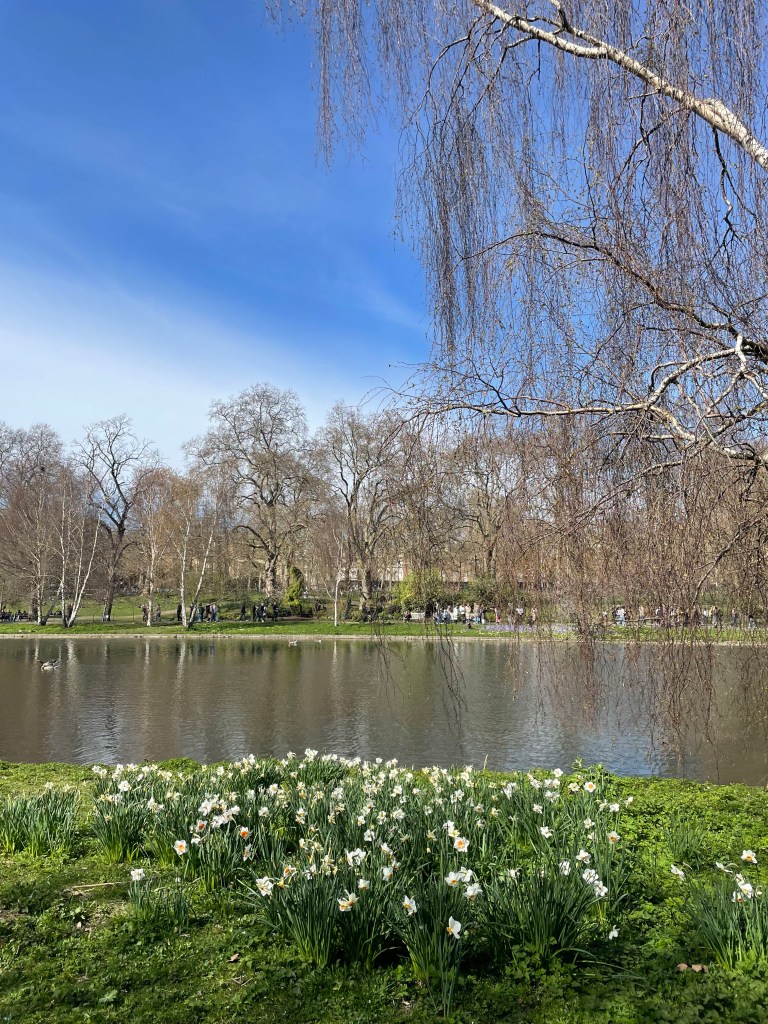
6. Walking through St. James’s Park, the oldest royal park in the city, among squirrels and perfectly manicured flower beds, you can spot a lake bordered by two islands: Duck Island (a duck sanctuary) and West Island.
7. Leaving St. James’s Park, you can’t miss the gates of Buckingham Palace, the official residence of the King and the site of many public ceremonies. If you’re lucky, you can witness the Changing of the Guard, a daily ritual that, for first-time viewers, has something deeply theatrical about it.

8. The afternoon drifts by through the avenues of Hyde Park, which is not just a peaceful oasis in the urban heart, but has also been a stage for British history. In 1851, it hosted the first World’s Fair. In 1866, thousands of people marched through the park, sparking one of the UK’s first organized protests. The Speakers’ Corner (a symbol of free speech) became a space where anyone could speak freely. Among the most famous orators: Marx, Orwell and Churchill.
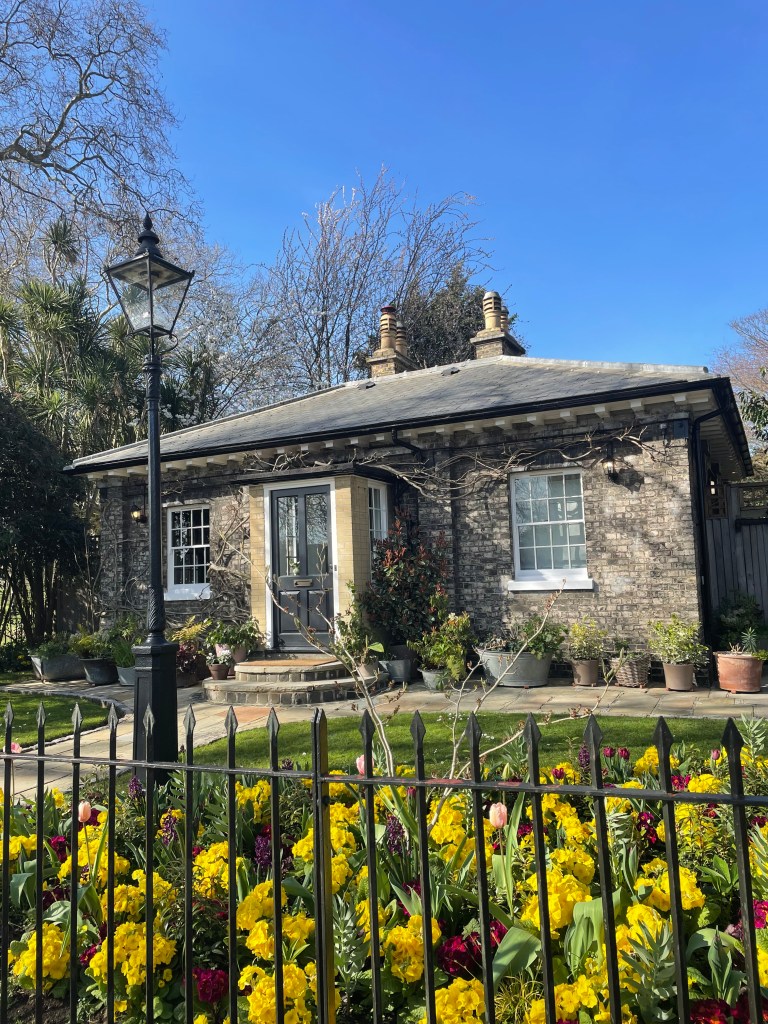
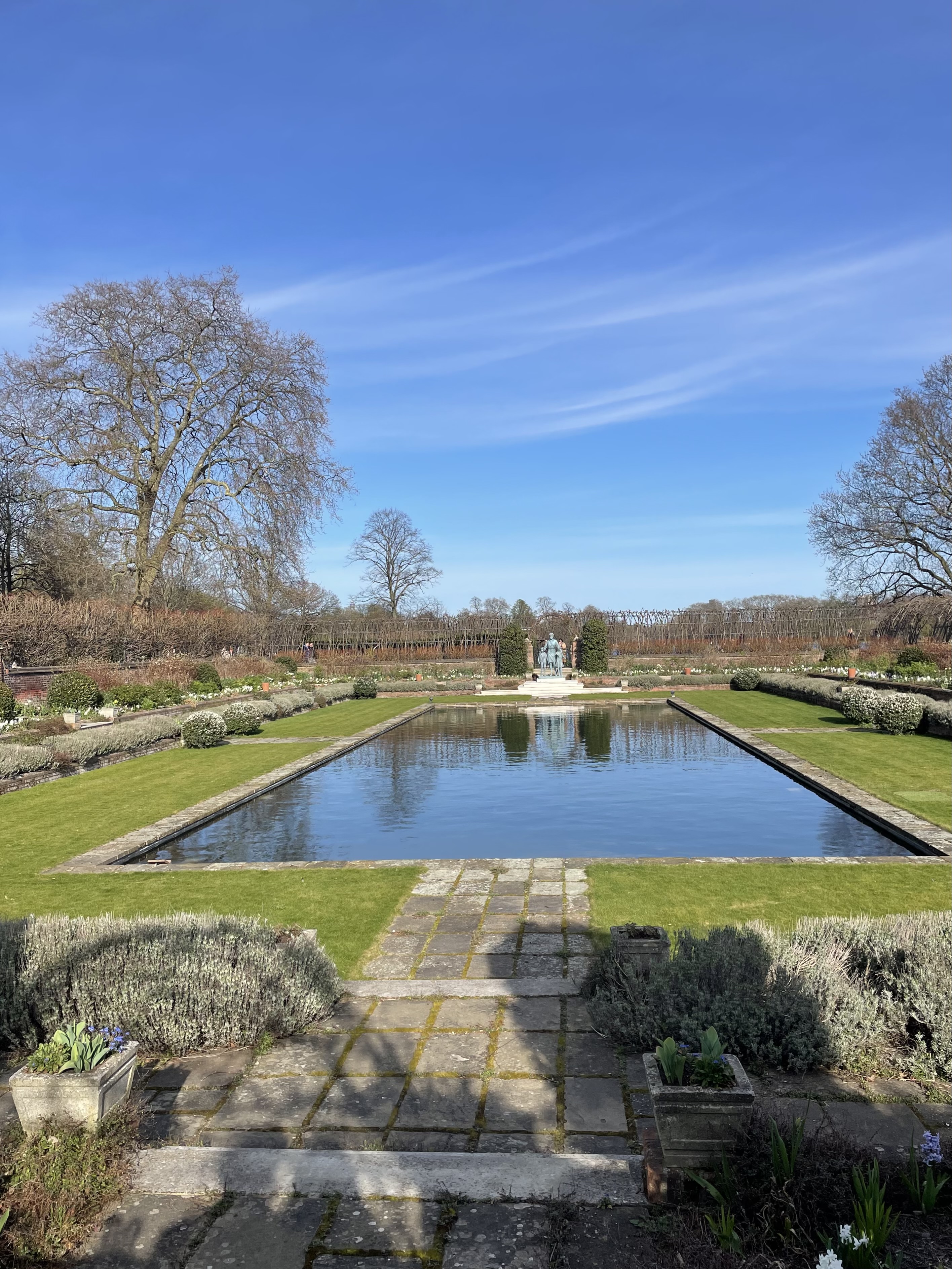
9. Among rowboats and chats under the trees, we reach Kensington Palace, the former home of Princess Diana, who lived through some of the most observed and complex years of her life in this very building.
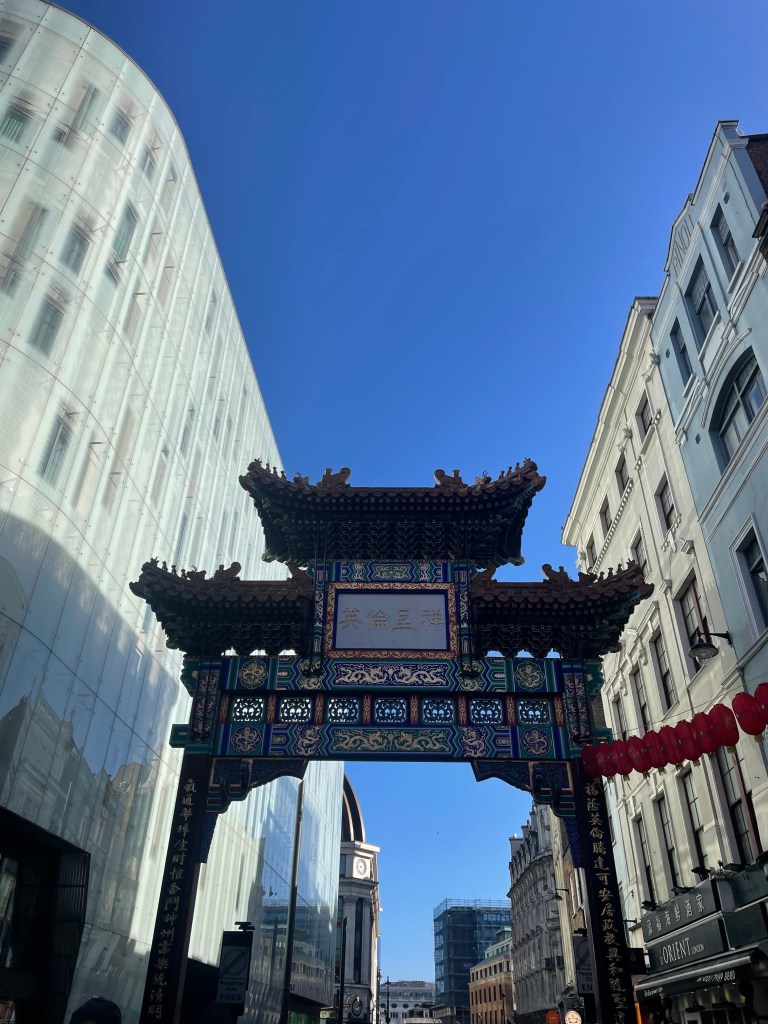
10. As the sun begins to set, the compass points toward Soho. The neighborhood is a nighttime kaleidoscope: neon signs, kitchens open late, and cocktail bars hidden behind velvet curtains. This is where the first day ends.
Day 2
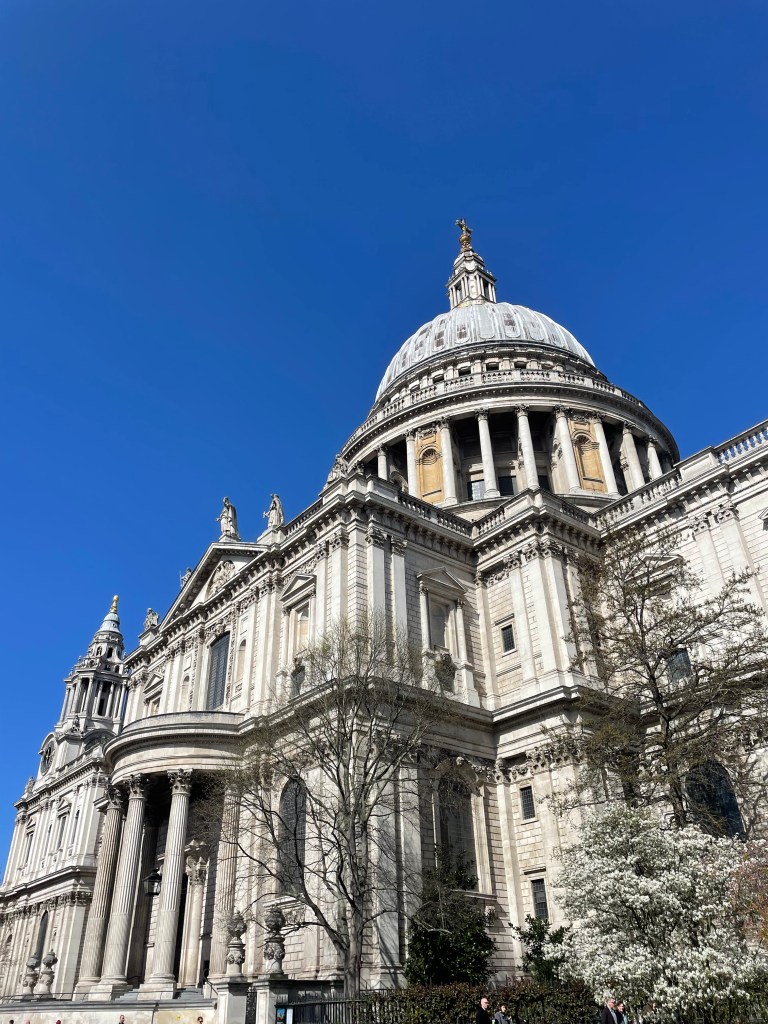
1. Our starting point is the majestic St. Paul’s Cathedral. A baroque masterpiece, it is a symbol of resilience. After the Great Fire of 1666 (which devastated much of the city), Sir Christopher Wren was commissioned to redesign the church, and thus he created a masterpiece.
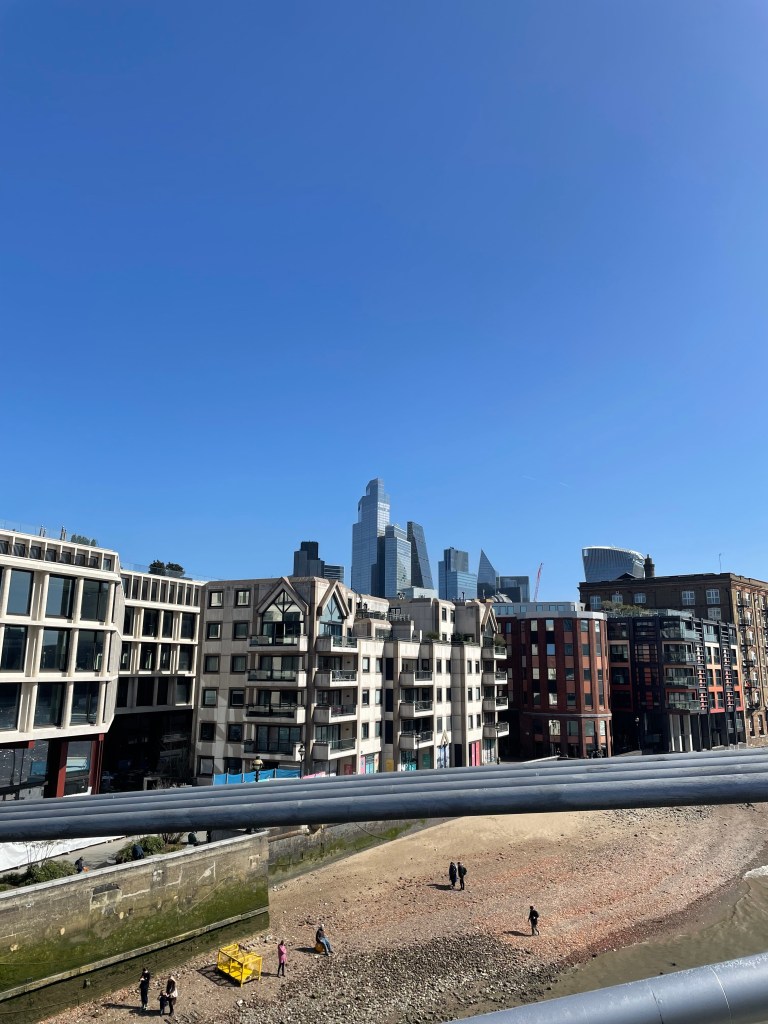
2. The exit leads us directly onto the Millennium Bridge, a steel pedestrian bridge suspended between past and present. It connects modern London-Tate Modern and the Globe Theatre-to the historic cathedral watching passersby from the north bank of the Thames. In a way, this bridge is a tightrope between old and new, between faith and art.
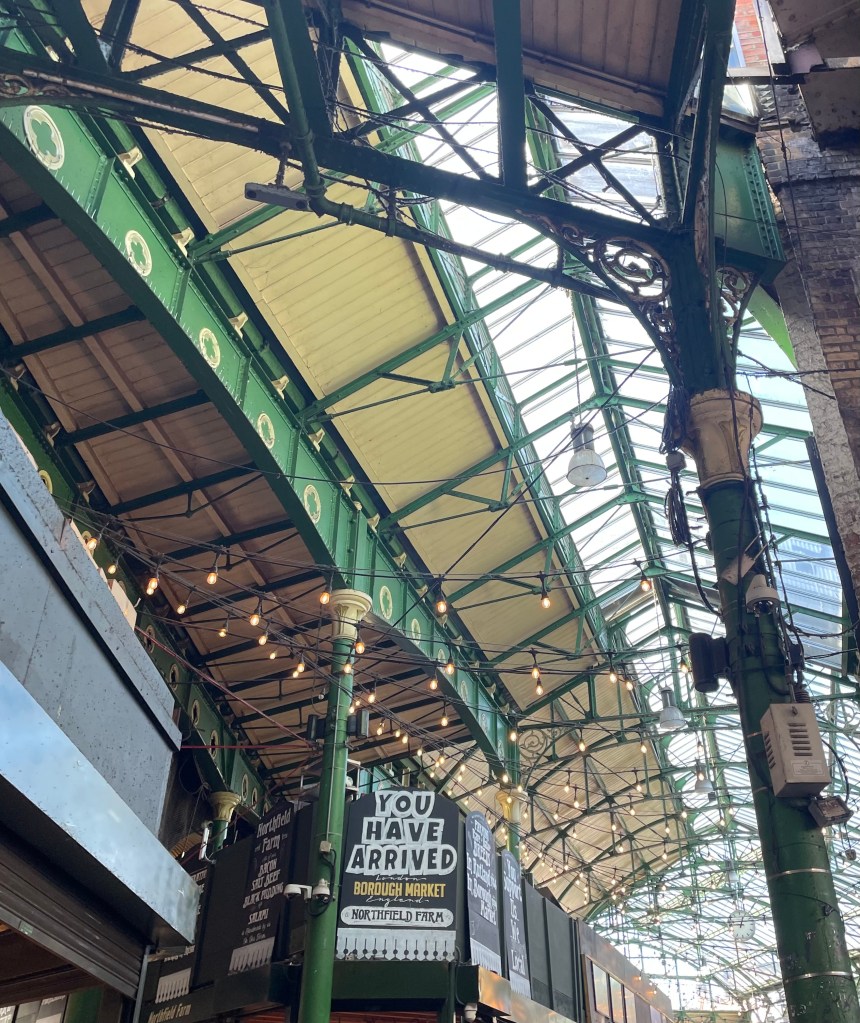
3. A little further on, we approach Borough Market, which draws us in with its frenzy, colors, and aromas. It’s one of London’s oldest markets.
What you’ll find: artisanal products – international street food – cheeses from around the world – breads and pastries.
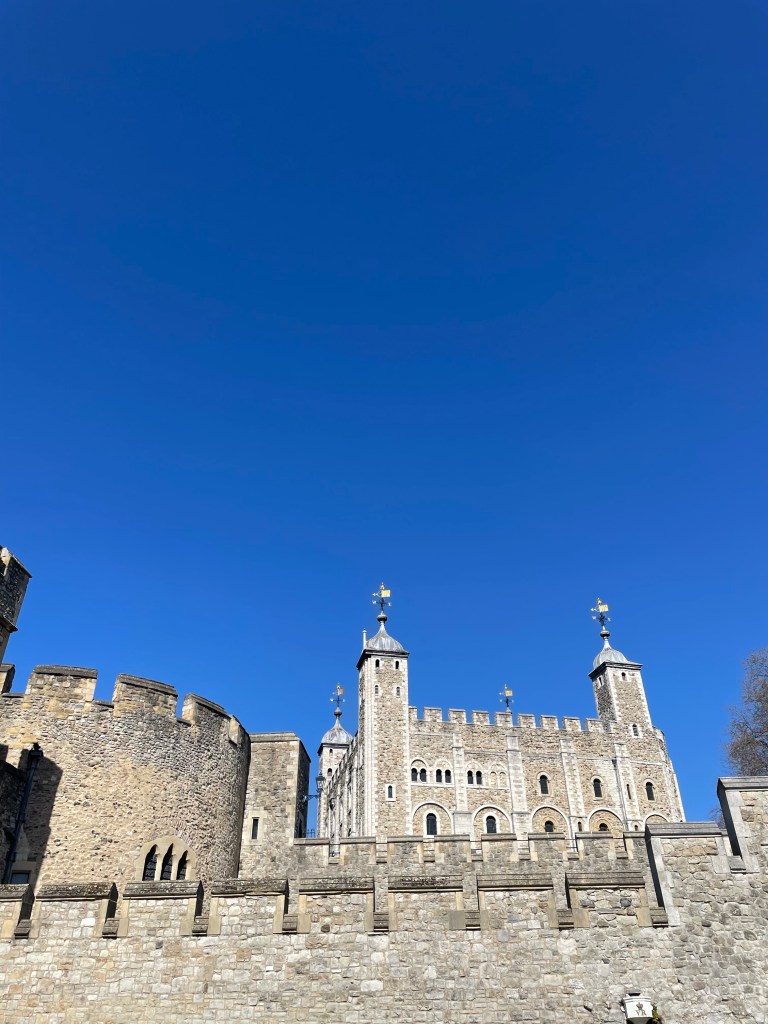
4. In the afternoon, there’s only one direction: the Tower of London. With its thick, majestic walls and towers that have witnessed betrayals and imprisonments, it transorts us to a time when London was more feared than admired.
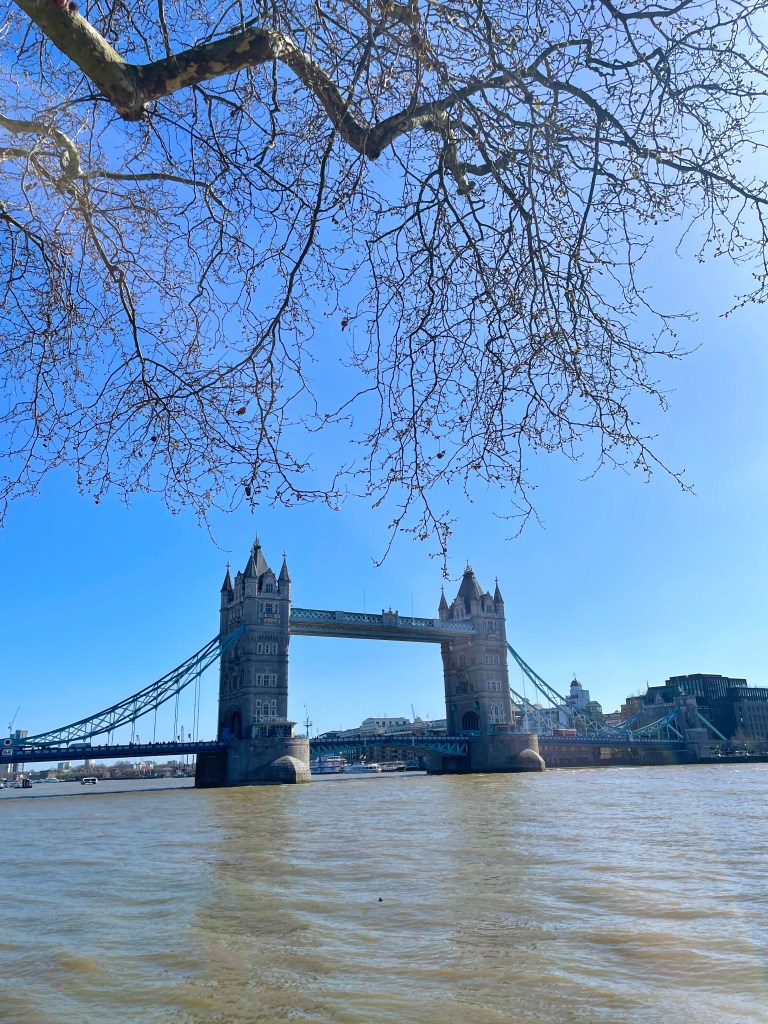
5. Finally, the last stop: the Tower Bridge. With this moveable bridge, the city showcases its ability to unite ingenuity and beauty. It’s also considered one of the capital’s most iconic symbols.

Leave a Comment